
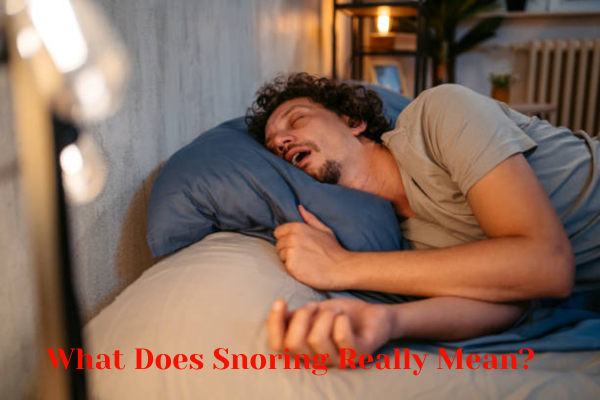
Snoring is often dismissed as an annoying sleeping habit, but it may be a serious health concern. Your body may be trying to tell you something if you have trouble falling asleep, snore loudly, or feel exhausted even after a full night’s sleep. This article will discuss five potential health hazards associated with snoring and provide you with information on a clever, non-invasive anti-snoring treatment.
1. Sleep Apnea – The Silent Threat Behind Loud Snoring
A common cause of obstructive sleep apnea (OSA) is obstructed airways, which result in short breathing pauses during sleep. Among the most frequent causes of loud, continuous snoring is this one. Perhaps you’ll notice:
- Waking up gasping for air
- Night sweats and morning headaches
- Feeling tired all day despite sleeping enough
Your heart and brain are severely stressed when OSA lowers your oxygen levels. It can increase your chance of heart failure, stroke, and other serious health problems if you don’t get treatment.

2. Interrupted Sleep – Losing Nature’s Recovery Time
Snoring can disrupt your sleep as well as that of your partner. When you don’t get enough sleep, your body doesn’t recover deeply, both mentally and physically. It may lead to:
- Memory loss and difficulty concentrating
- An increased likelihood of anxiety or despair
- Reduced productivity at work or school
3. High Blood Pressure And Heart Disease
Chronic snoring has been linked to heart disease, hypertension, and irregular heartbeats. Why? Because snoring lowers blood oxygen levels and sends stress signals to your neural system, it can eventually raise your blood pressure. Older and middle-aged people are far more vulnerable.
4. Type 2 Diabetes And Metabolic Issues
Studies have connected metabolic conditions including insulin resistance and type 2 diabetes to chronic snoring. The hormones that regulate blood sugar are changed by sleep deprivation, raising your risk of weight gain and diabetes.

5. Emotional Strain And Relationship Tension
Studies have shown a connection between metabolic disorders such type 2 diabetes and insulin resistance and chronic snoring. Sleep deprivation changes blood sugar-regulating hormones, raising your risk of weight gain and diabetes.
- Poor sleep, irritability, and stress
- Less patience and fewer positive emotions
- Embarrassment or discomfort when sharing a room
Controlling your snoring is therefore a meaningful method to take care of those around you in addition to taking care of yourself.
Tongue Sleeve – A Gentle Anti-Snoring Solution From Metti RnD
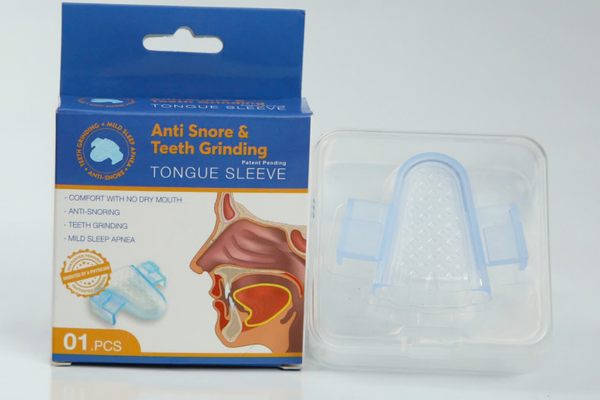
The Tongue Sleeve can be the ideal solution for you if you’re searching for a non-invasive, drug-free method of snoring relief. This tiny gadget, created by Metti R&D, the research and development division of MettiTech Group Holdings, has a lot to offer.
Your airway is opened, tissue vibration that causes snoring is lessened, and your tongue is softly held in position by the Tongue Sleeve. Principal advantages consist of:
- Painless, lightweight, and simple to use
- No batteries or complex equipment are required.
- Effective right from the first use
Metti RnD – Pioneering Safe Sleep Technology
Metti RnD is dedicated to developing practical, efficient sleep solutions and is supported by specialists in respiratory technology, sleep medicine, and smart wearable technology. Tongue Sleeve is a commitment to protecting your health, peace of mind, and sleep quality, not just a product.